
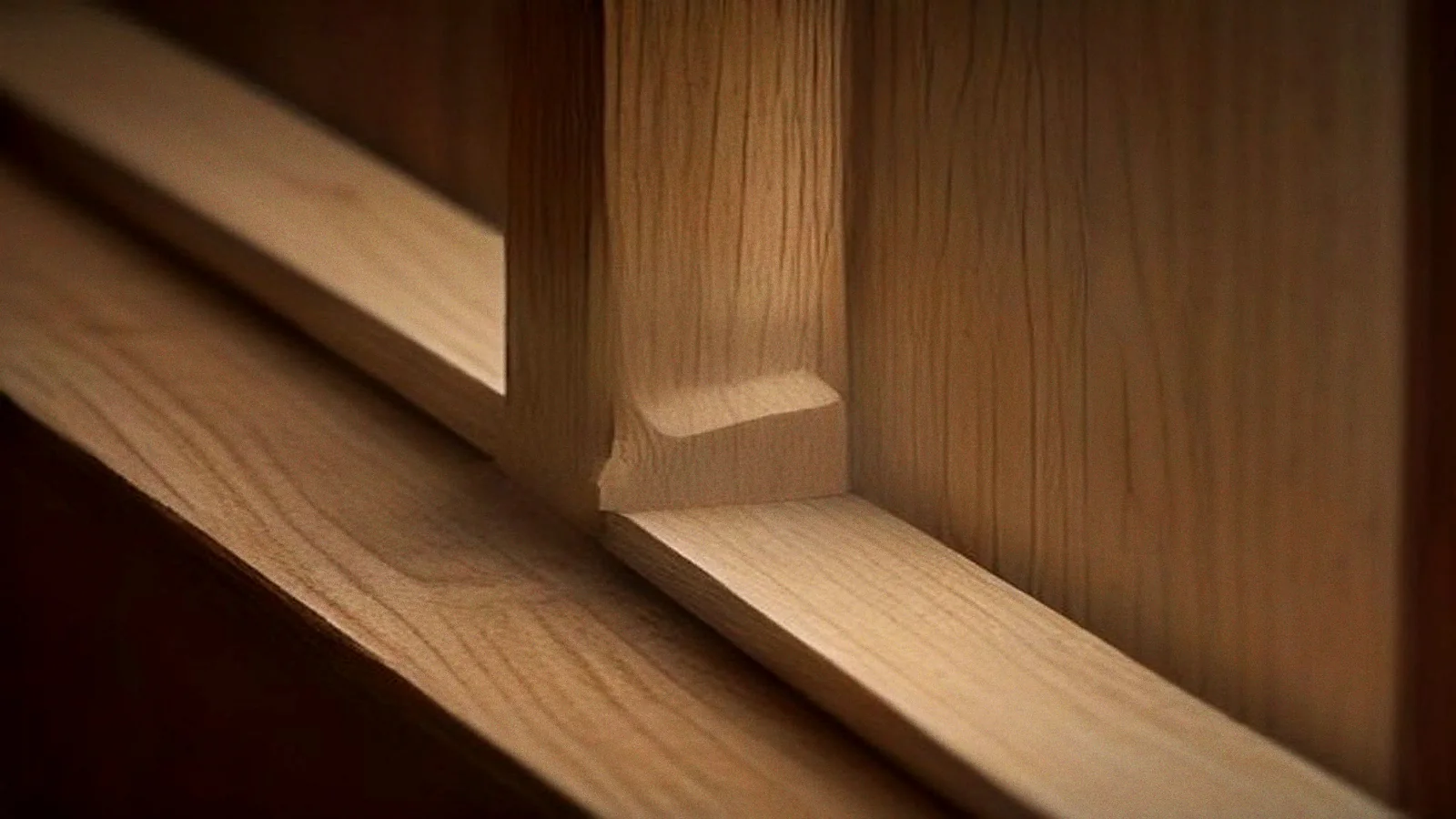
A rail, shouldered into an upright.
The shoulder is the part that matters: it lands flat against the upright and stops the frame racking. It is what keeps a chair square when somebody leans back in it, and a door square through a monsoon.
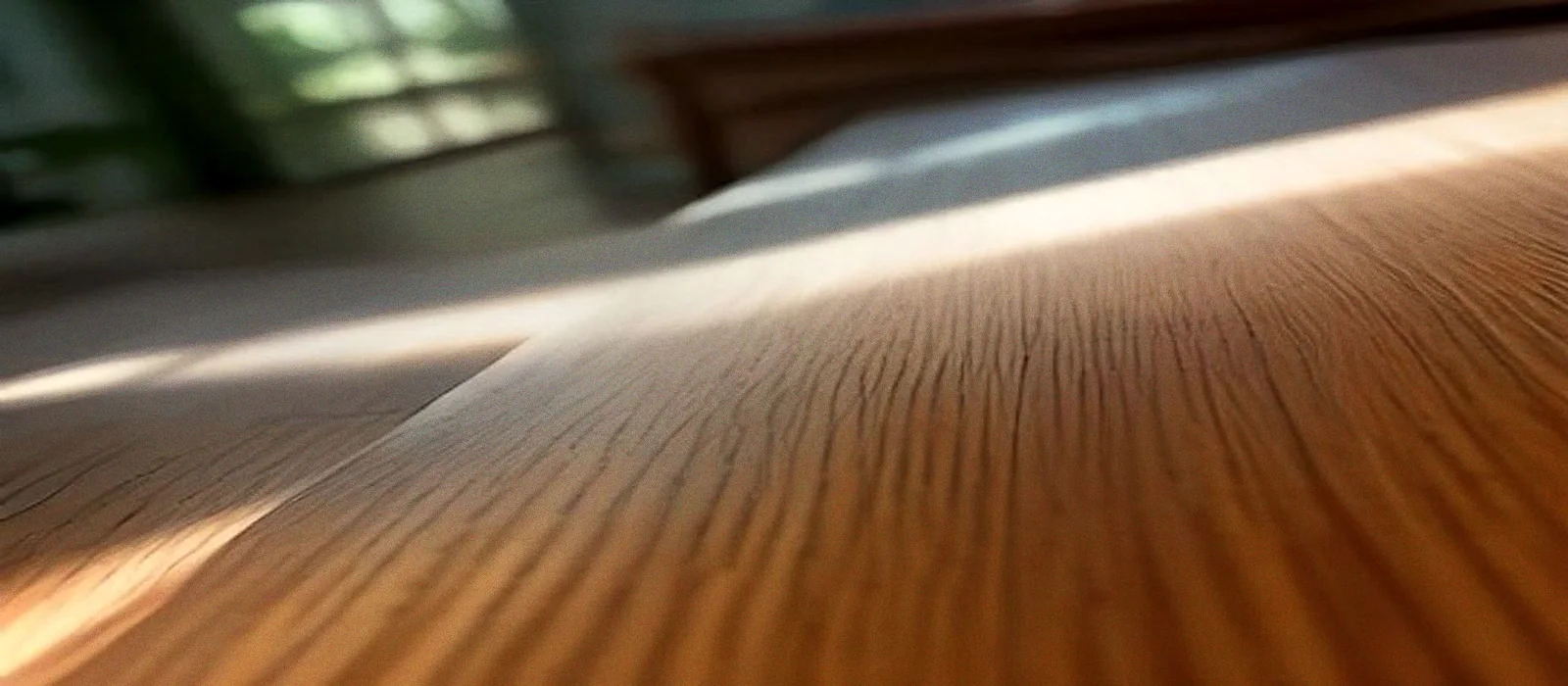
Three timbers come through this workshop — teak, mahogany and manjiyam — and each one behaves differently in wet air. What gets built from which, and how it is jointed, follows from that and not from a catalogue.
Across the grain, a wide panel swells through the wet months and shrinks back through the dry ones. Along the grain, it barely moves at all. Everything sensible about how furniture is cut and joined follows from that one asymmetry — and so does every failure.
None of this is a claim about a particular board. Where a piece was cut and how long it seasoned are facts this site does not have, and it will not invent them.
Not a ranking. Each of the three is the right answer to a different question, and the question is usually some mix of where the piece will stand, how hard it will be used, and what you want to spend.
Teak
The one that shrugs off weather.
The oils are in the timber itself, not brushed on, which is why a coastal door in teak is still a door after forty years. Wet air, insects and standing damp all bother it less than they bother anything else on this page.
Mahogany
The one that stays where you put it.
Straight, even grain and very little inclination to warp. It also cuts and planes cleanly rather than tearing, which is why it has been the cabinetmaker’s wood for two centuries: the work goes quickly and the finish comes up without a fight.
Manjiyam
The local hardwood, and the hardest here.
Grown on plantations across Kerala and ready to cut in under ten years, which is most of the reason it costs what it costs. It is harder than either of the others and holds its shape well — the practical choice rather than the romantic one.
Choosing the timber is the first decision, not the last. A panel that will grow five millimetres by July cannot be trapped in a frame with no room for it, so the joint is cut to let it move and the door is hung with the wet season already allowed for. That is the difference between furniture built here and furniture built for a drier country and shipped in.
Only the first of those is a fact about this shop; the rest are published figures for the material and the region. And the last one is a temperate rule of thumb — in air this wet the wood takes longer to give up its water, which is the whole argument for seasoning timber before building with it rather than letting the finished piece do the drying in your house.
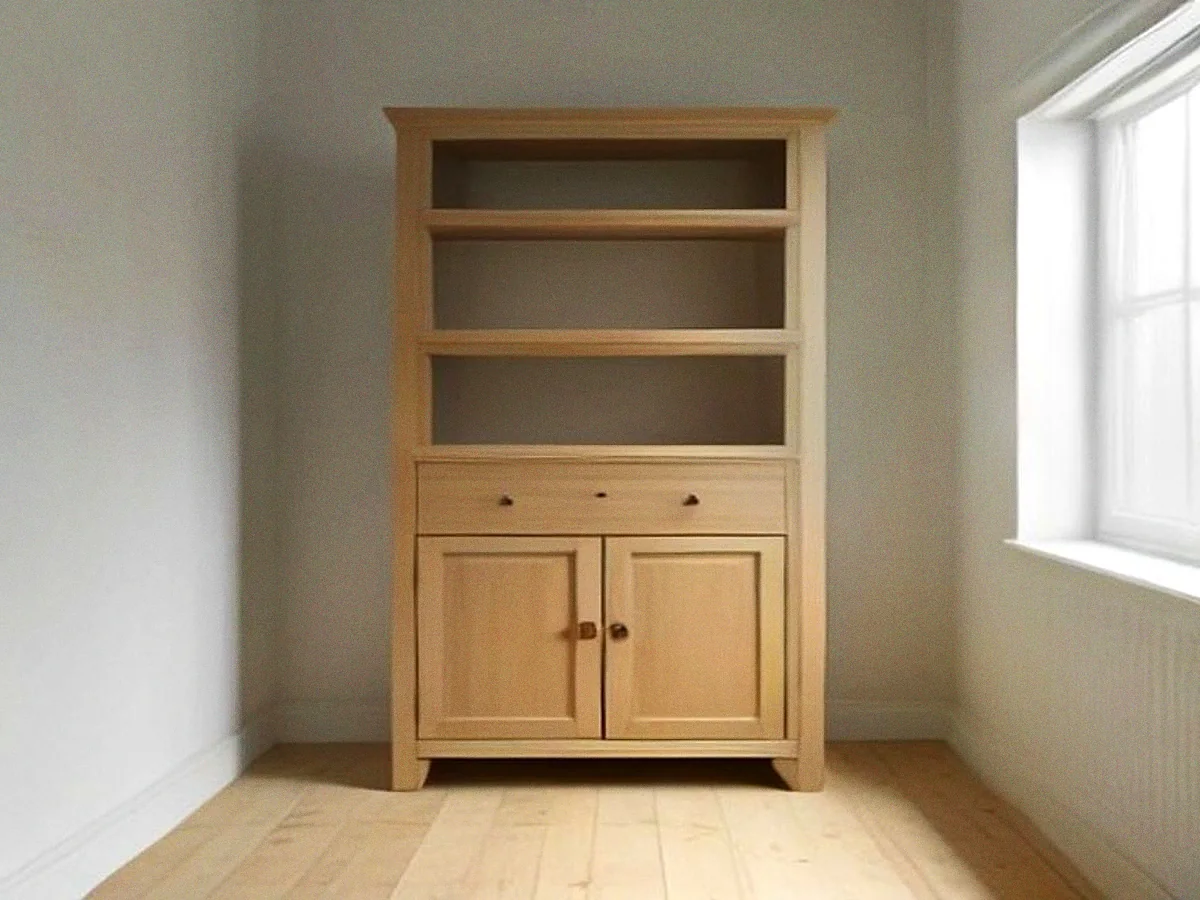
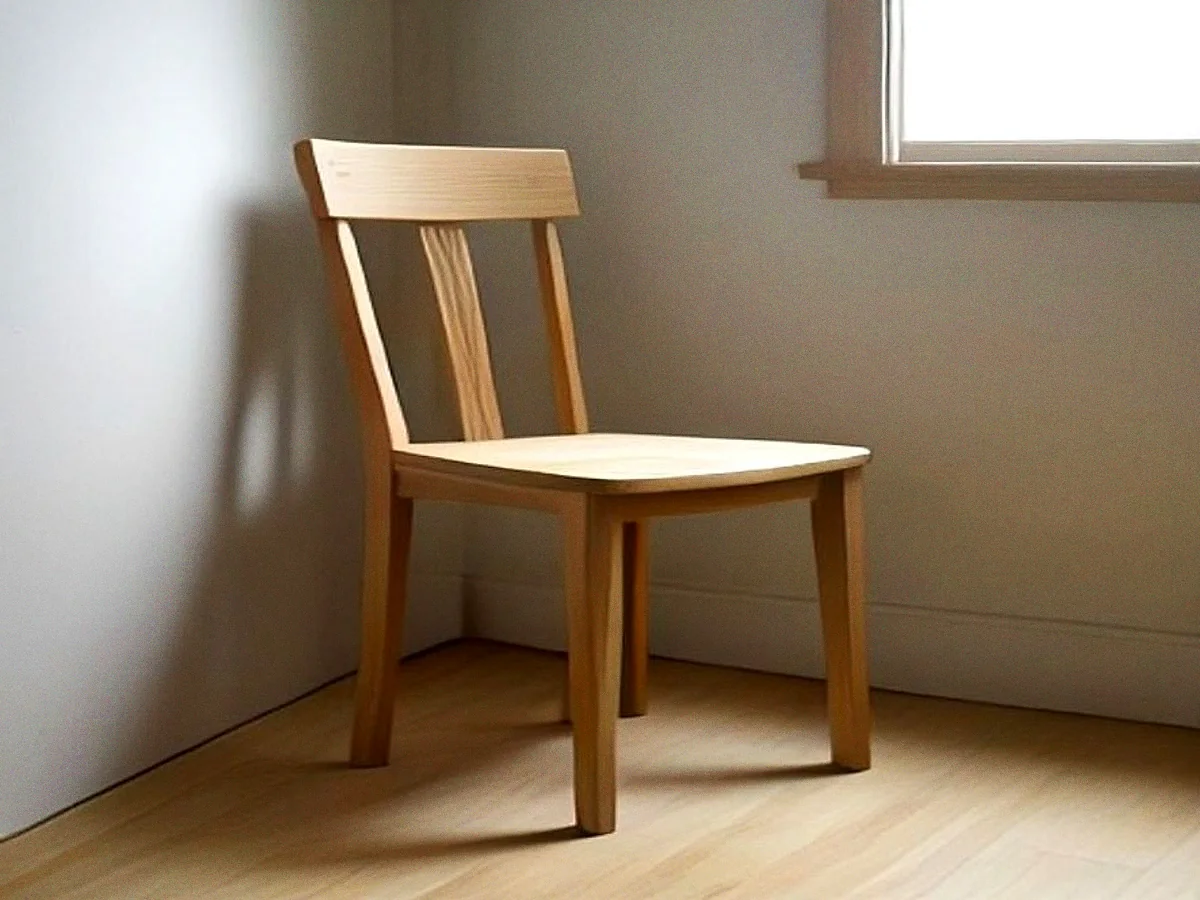
Bare timber, joints showing, nothing hidden under polish yet. This is the stage at which a piece is either right or is not.
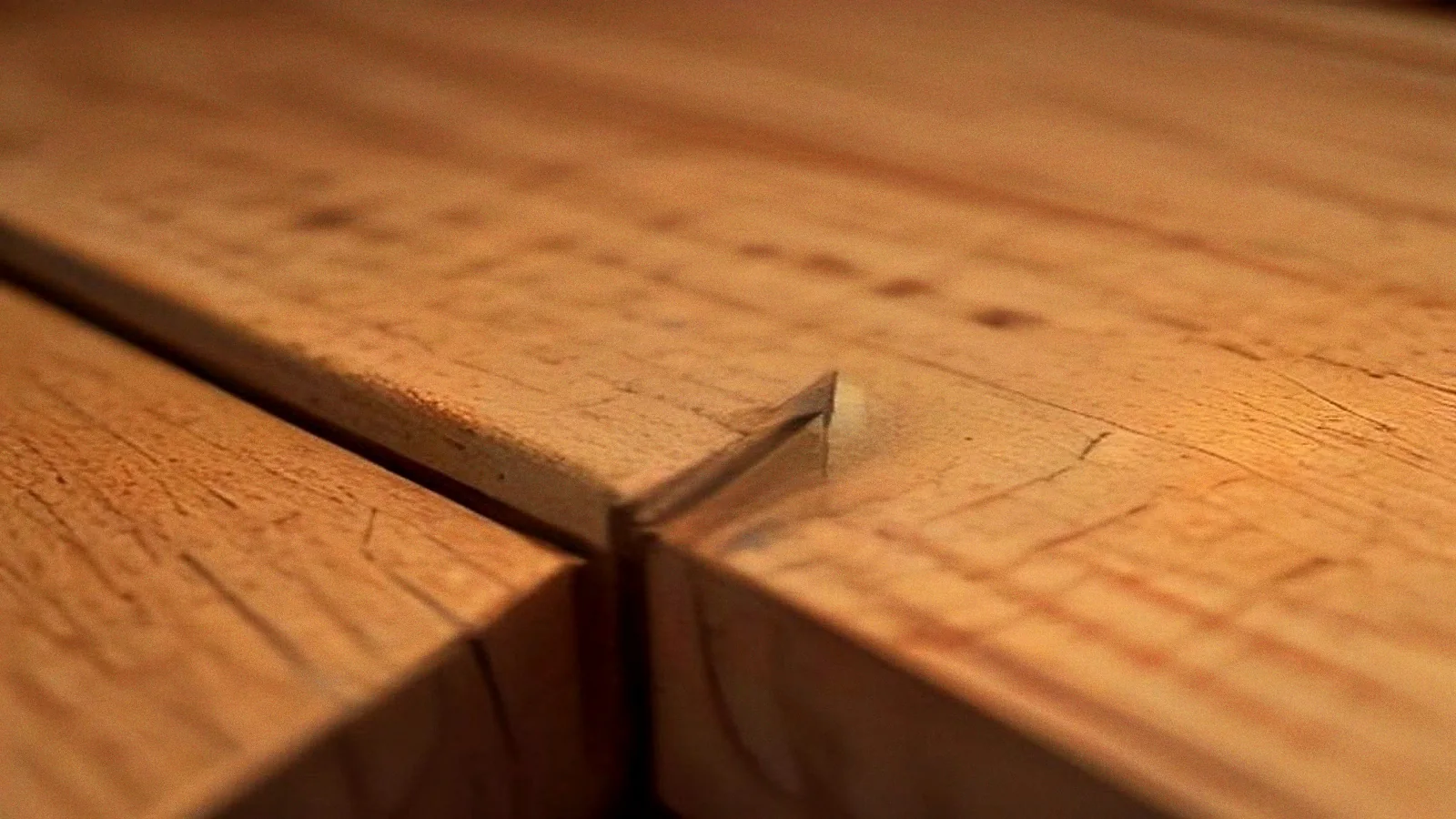
A hairline cut into the mitre on purpose, so the panel has somewhere to go when July swells it. Furniture built elsewhere often has none.
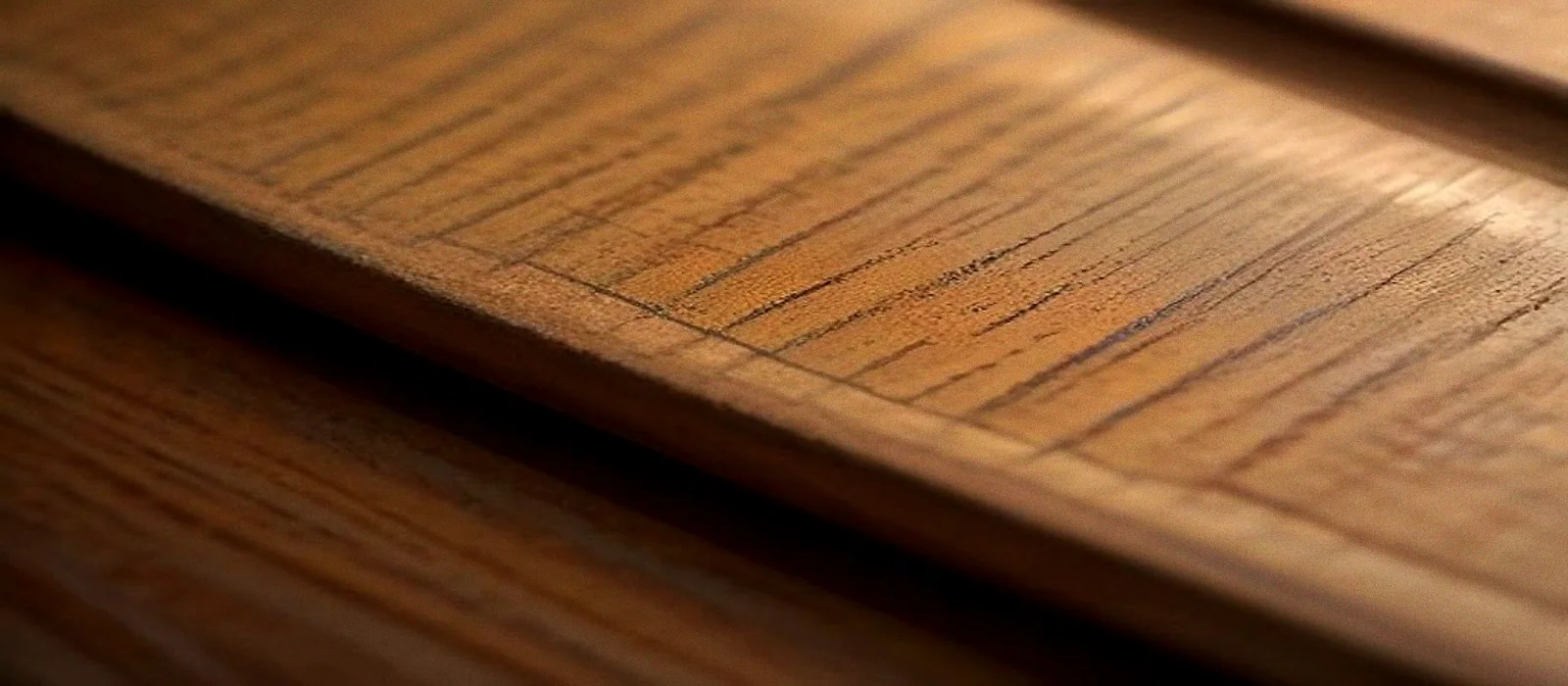
The finish goes back to bare wood where hands go first. On a piece that was jointed properly, that is the only thing that changes.
Almost everything that fails on a piece of furniture fails at a joint, and almost none of it is visible by the time the polish is on. These are the three worth knowing, because you can find all of them on a finished piece standing in a showroom — ours or anybody else’s.
The shoulder is the part that matters: it lands flat against the upright and stops the frame racking. It is what keeps a chair square when somebody leans back in it, and a door square through a monsoon.
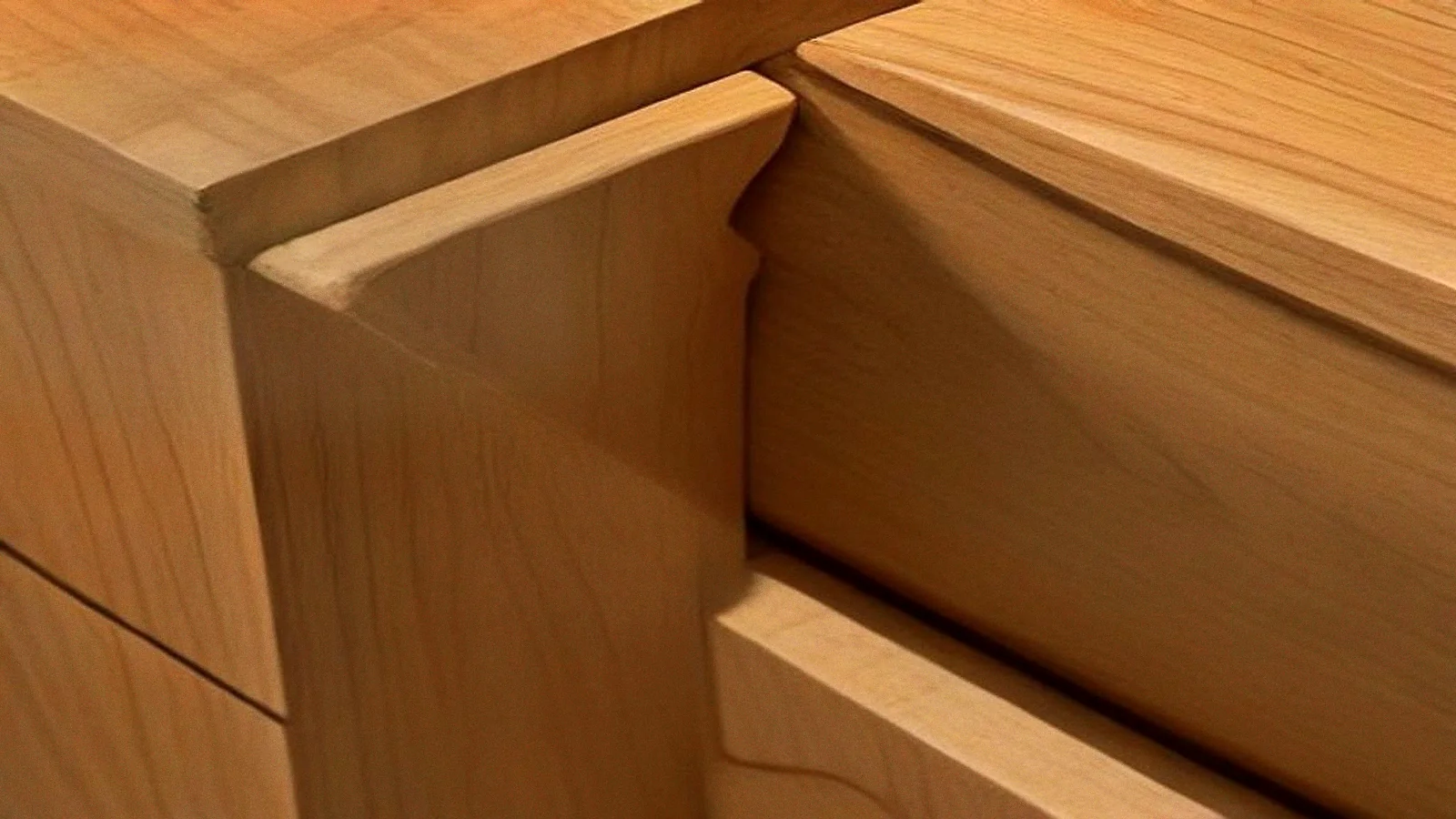
A wardrobe or a chest is a box, and a box is only as square as its corners. Cut properly the corner needs no bracket and no screw head showing — which is why an honest corner is worth looking at.
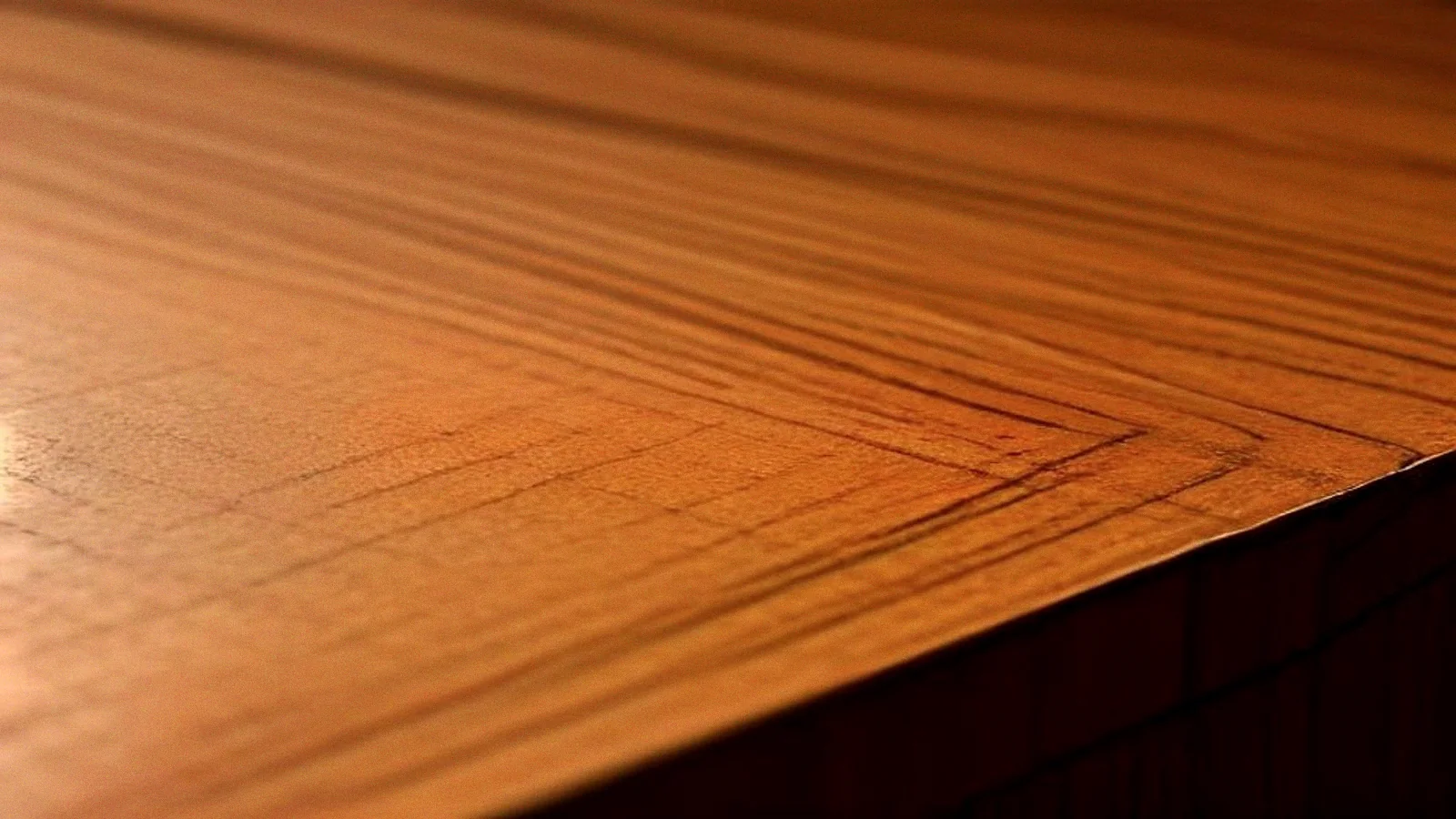
A sharp edge chips, marks and catches clothing. Taking it back a fraction costs a minute at the bench and is the difference between a tabletop that ages and one that just gets damaged.
No expertise needed — about ninety seconds, and a willingness to look at the parts of a piece nobody photographs. They work on our furniture and on anybody else’s.
A thick, even gloss is sometimes there to make mismatched boards agree with each other. Find a spot where the finish has worn back — that is the only honest view of the wood underneath.
A hairline at a mitre is clearance for the wet season, cut in on purpose. A piece with no give anywhere was built for a drier country than this one, and July will prove it.
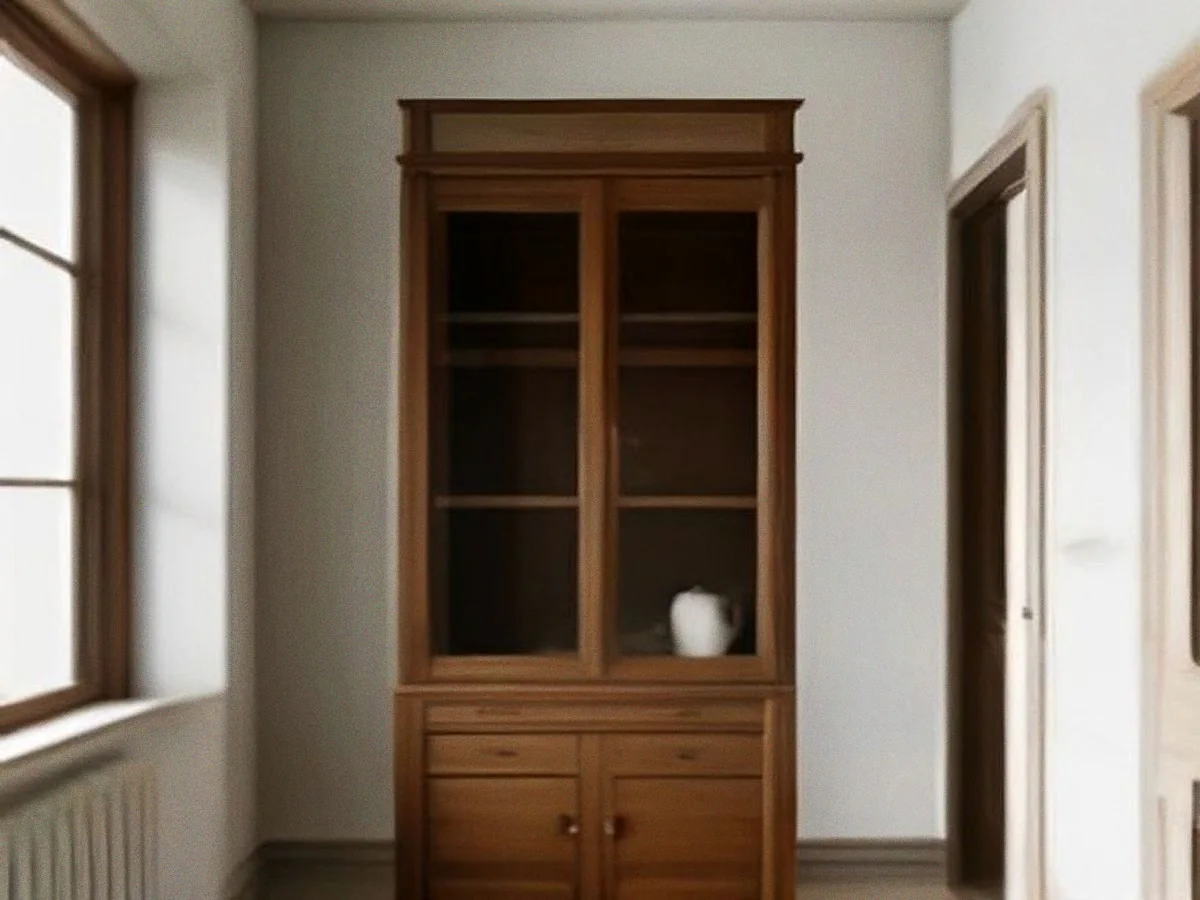
A door that drifts shut on its own is already out of true, and the monsoon will not improve it. A door that stays where you left it was hung by somebody who checked.
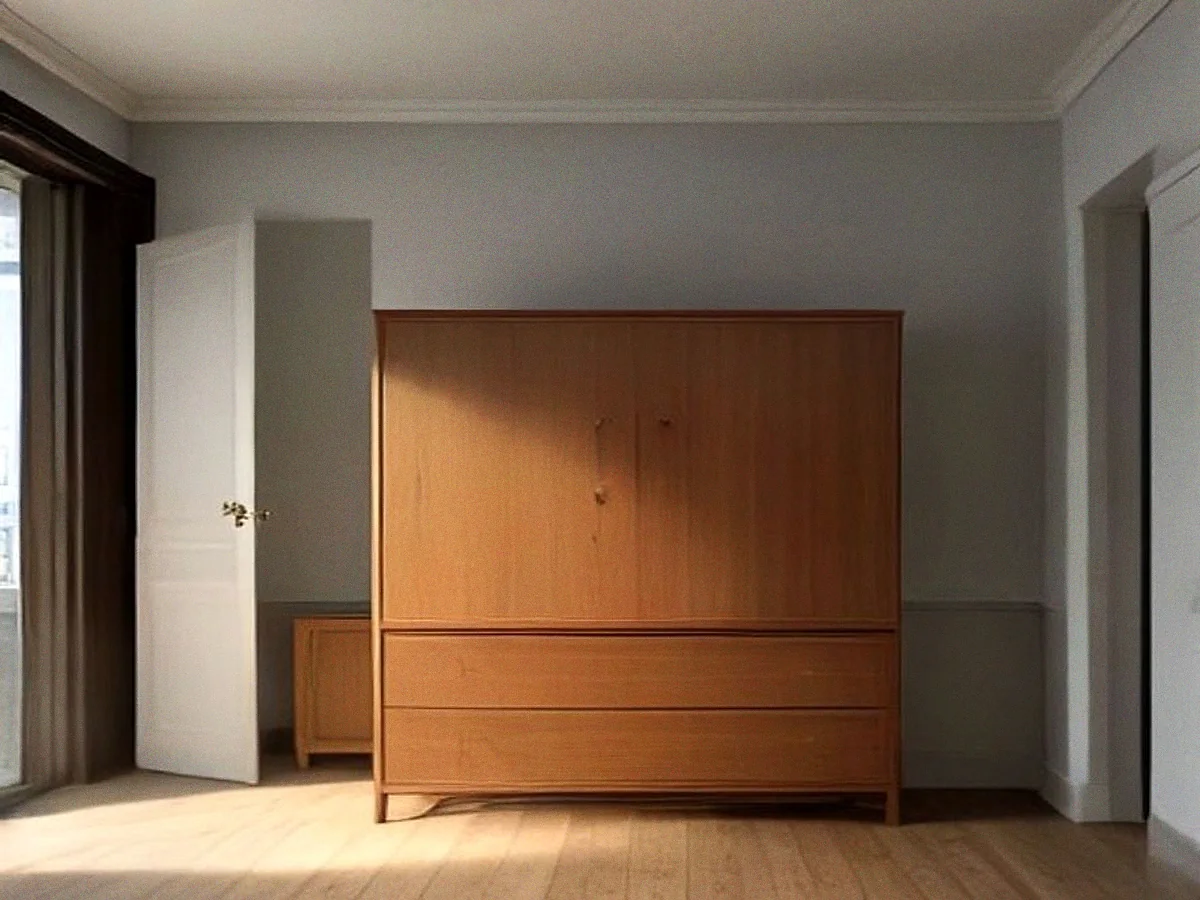
Most of a drawer is hidden, which is where the corners get cut. Take it fully out and look at the back and the underside — how the sides are joined to the front is the whole story, and it costs nothing to see.
That is how much a metre-wide teak panel moves between the seasons — about the width of a matchstick. Every joint on a good piece is cut to allow it, in whichever of the three timbers it is made. The checks above are how you confirm somebody did.
A few lines is plenty — the room, the piece, or just the measurements you have. Or skip the form and come in; the address is in the footer.